


The prospects of Container Seals
As an indispensable part of global logistics and international trade, container seals play a crucial role in ensuring cargo integrity, preventing tampering, smuggling and unauthorized access during transit. With the deepening of globalization, the acceleration of smart logistics transformation, and the tightening of global security regulatory requirements, the container seal industry is ushering in a new stage of high-quality development, with broad prospects driven by market demand, technological innovation and policy guidance.
The continuous expansion of global trade volume is the fundamental driving force for the steady growth of the container seal market. In recent years, despite the temporary fluctuations in the global supply chain, the long-term trend of international trade integration has not changed. The container seal market was estimated at USD 2.5 billion in 2024 and is projected to grow to USD 3.8 billion by 2033, with a compound annual growth rate of 5.5% between 2026 and 2033. The growth of cross-border e-commerce, the deepening of regional economic cooperation such as RCEP, and the expansion of the "Belt and Road" trade channels have further promoted the increase in container shipping volume, thereby driving the continuous rise in demand for container seals. Especially in emerging economies, the acceleration of infrastructure construction in ports, railways and other fields has created huge market space for container seals, as these regions are gradually becoming important nodes in the global supply chain.
Stringent global regulatory requirements have further standardized the development of the container seal industry and promoted the upgrading of product quality. Governments and international organizations around the world have issued a series of standards and regulations to regulate the use of container seals. For example, the ISO/PAS 17712 standard defines the technical requirements for high-security container seals, while the EU will fully implement the amendment to the "Customs Code Implementation Rules" from 2025, requiring all containers entering the EU to be equipped with seals with EN 16272:2022 certification marks. In China, the "General Technical Specification for High-Security Container Mechanical Seals" (GB/T43587-2023) was fully implemented in July 2024, which clearly requires high-security seals to have unique codes, shear resistance of not less than 2500 Newtons, and tensile strength of more than 10000 Newtons, and promotes the integration of QR codes or RFID chips. These strict regulatory requirements have forced enterprises to upgrade their product technology and quality, eliminated low-quality and non-compliant products, and created a more standardized market environment for the healthy development of the industry.
The concept of green and sustainable development is also gradually penetrating into the container seal industry, becoming a new growth point for market development. With the global emphasis on environmental protection, the demand for eco-friendly container seals is increasing. Traditional plastic seals are difficult to degrade, which may cause environmental pollution. In response to this problem, enterprises have begun to develop and promote seals made of recyclable and degradable materials such as PLA and rPP. At present, the proportion of environmentally friendly materials in container seals has risen to 33%, and this proportion is expected to continue to increase in the future. In addition, the research and development of reusable intelligent seals can not only reduce the waste of resources but also reduce the operating costs of logistics enterprises, which is widely favored by the market.
Although the container seal industry has broad development prospects, it also faces some challenges, such as the flood of counterfeit seals, fluctuations in raw material prices, and differences in cross-border compliance standards. However, with the continuous advancement of technology, the improvement of regulatory systems, and the continuous enhancement of enterprise innovation capabilities, these challenges will be gradually solved. In the future, the container seal industry will show a development pattern of intelligence, greenization, standardization and integration. Intelligent seals will become the mainstream of the market, green and environmentally friendly products will be more popular, and the integration of seal technology with smart logistics, customs supervision and other systems will be further deepened.
In conclusion, driven by the joint action of global trade growth, technological innovation, regulatory tightening and green development, the container seal industry is in a period of rapid development. It will not only continue to play an important role in ensuring the security of the global supply chain but also usher in broader development space with the continuous upgrading of product functions and the expansion of application scenarios. For enterprises in the industry, seizing the opportunities of technological innovation and policy dividends, and continuously improving product quality and service level will be the key to achieving sustainable development in the fie
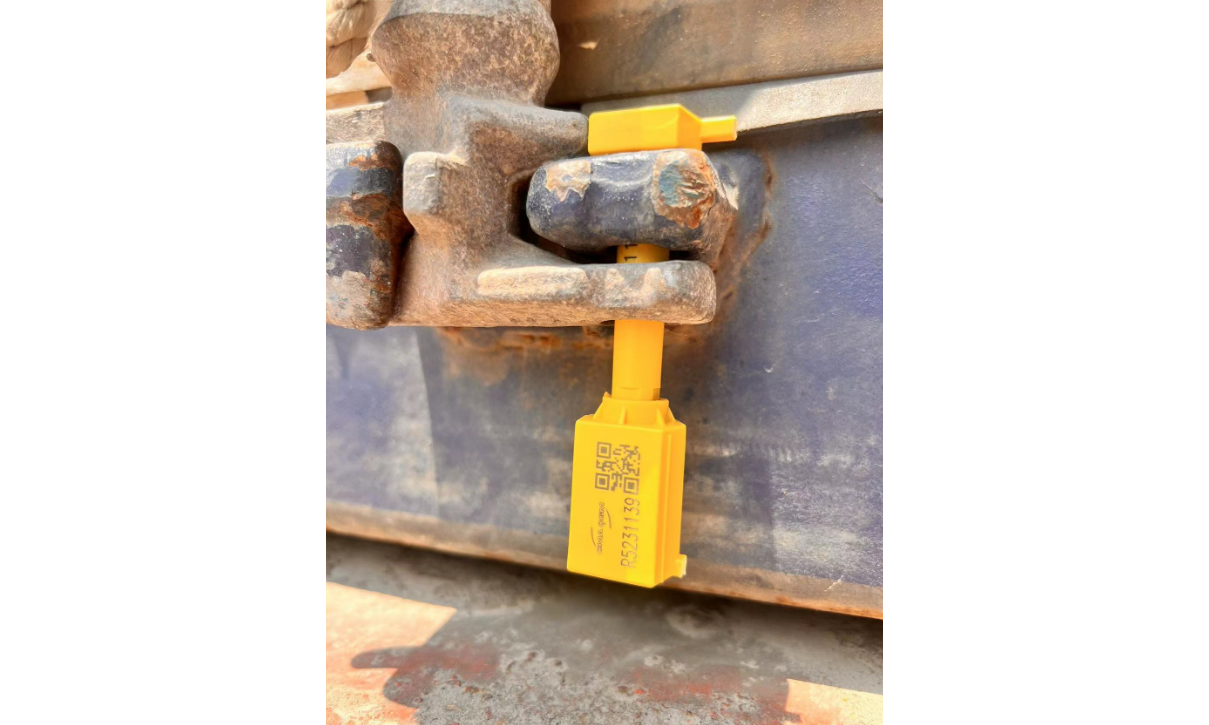

Shanghai Asialock Security Seals Co., Ltd
Booth No: W4.397
Headquarters: China
Website: www.asialockseal.com